FCC Rules on Ham Radio Addresses: Can You Use a PO Box or Virtual Address?
The art of communication takes many forms. But what happens when your public passion clashes with your private life? For Ham radio operators, the address you list can feel like an open door. Here’s how to stay FCC-compliant while keeping your life, well… yours.
The Airwaves Are Listening (And So Is the FCC)
To outsiders, Ham radio might sound like a niche hobby—a relic of pre-internet communication. But for those in the know, it’s the heartbeat of connection. Whether it’s swapping call signs with operators across continents or coordinating local emergency efforts, Ham operators are a unique breed: passionate, resourceful, and fiercely dedicated to the power of radio.
But here’s the rub: the FCC enforces strict Ham Radio Address regulations, requiring all operators to register a valid mailing address. And they’re serious about it. When you register for a Ham radio license, your address isn’t just a footnote—it’s public record. It’s a regulation designed to keep the airwaves orderly, prevent misuse, and ensure operators can be contacted.
Logical? Sure. Convenient? Not so much.
The address requirement, while reasonable on paper, can feel like a privacy minefield in practice. Do you really want your home address searchable to anyone with an internet connection? For many operators, the answer is no. For others—especially those frequently on the move, part of clubs, or even international license holders—the question isn’t just about privacy; it’s about logistics.
Let’s unpack this balancing act: the fine line between compliance and comfort, and how the right address can save you from headaches, public exposure, and an unexpected FCC knock at your (virtual) door.
Why Does the FCC Care About Your Address?
The FCC’s address rule boils down to two things: access and accountability. If interference happens—say someone jams a frequency or causes chaos on the air—the FCC needs to find the operator behind the call sign. Fast.
Your registered address isn’t just a formality; it’s how the FCC knows where to send renewal notices, rule updates, or (gulp) violation warnings.
Mess up your address—by using one that’s invalid, outdated, or unreliable—and you risk missing critical communication. In extreme cases, that could mean fines, license suspension, or outright revocation.
The FCC isn’t exactly in the habit of sending out old-school, stamped-and-sealed correspondence. Their preferred mode of communication? Email. Swift, efficient, and decidedly paperless. But don’t get too comfortable—while unlikely, a letter from the FCC could still find its way to your mailbox. Never say never.
Will the FCC send mail to my house?
The FCC isn’t exactly in the habit of sending out old-school, stamped-and-sealed correspondence. Their preferred mode of communication? Email. Swift, efficient, and decidedly paperless. But don’t get too comfortable—while unlikely, a letter from the FCC could still find its way to your mailbox. Never say never.
Home Sweet Public Record?
So where do you list? The default answer—your home address—is the simplest, but simplicity comes at a cost. Since the FCC’s database is public, your home address becomes accessible to, well… everyone.
The mailman? Sure. Your Ham radio buddy from Nebraska? Fine. But also: nosy neighbors, online lurkers, and that guy you argued with in the comments section of r/AmateurRadio.
Are P.O. Boxes Allowed for Ham Radio Operators?
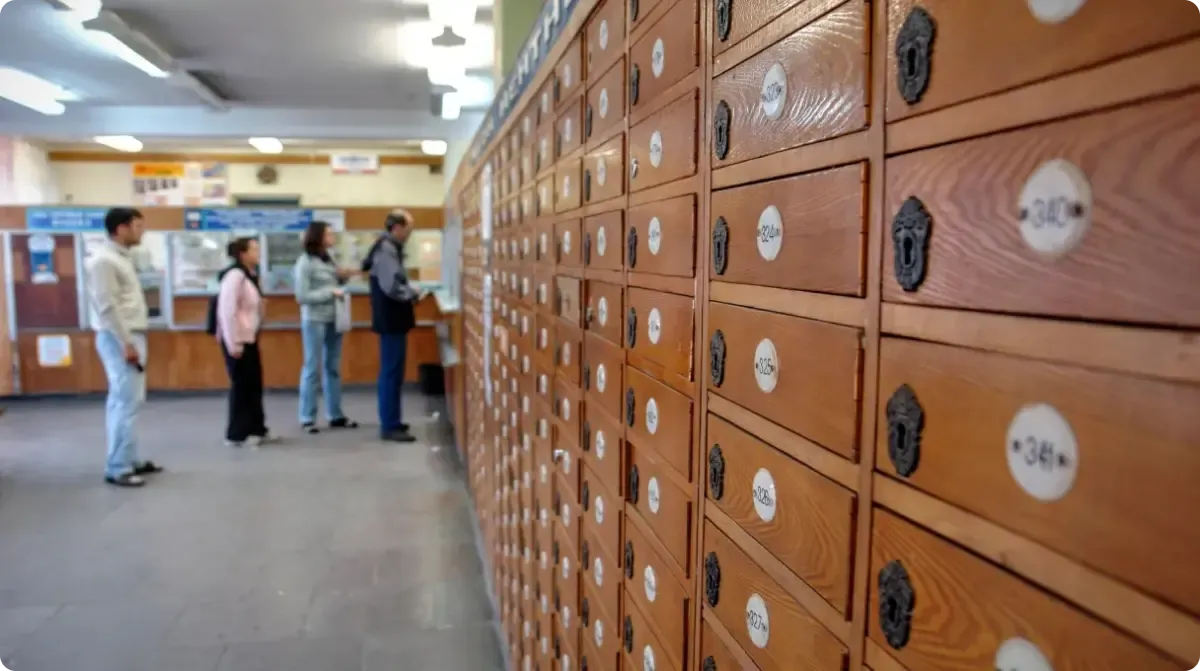
Yes, the Federal Communications Commission (FCC) allows P.O. Boxes for Ham radio operators, but they come with limitations. While a P.O. Box can serve as your official Ham Radio Address, it only accepts USPS mail, meaning you could miss critical FCC correspondence from private carriers like FedEx or UPS. Additionally, accessing your mail requires in-person visits during post office hours, which may not be convenient for everyone.
Are Virtual Addresses Allowed for Ham Radio Operators?
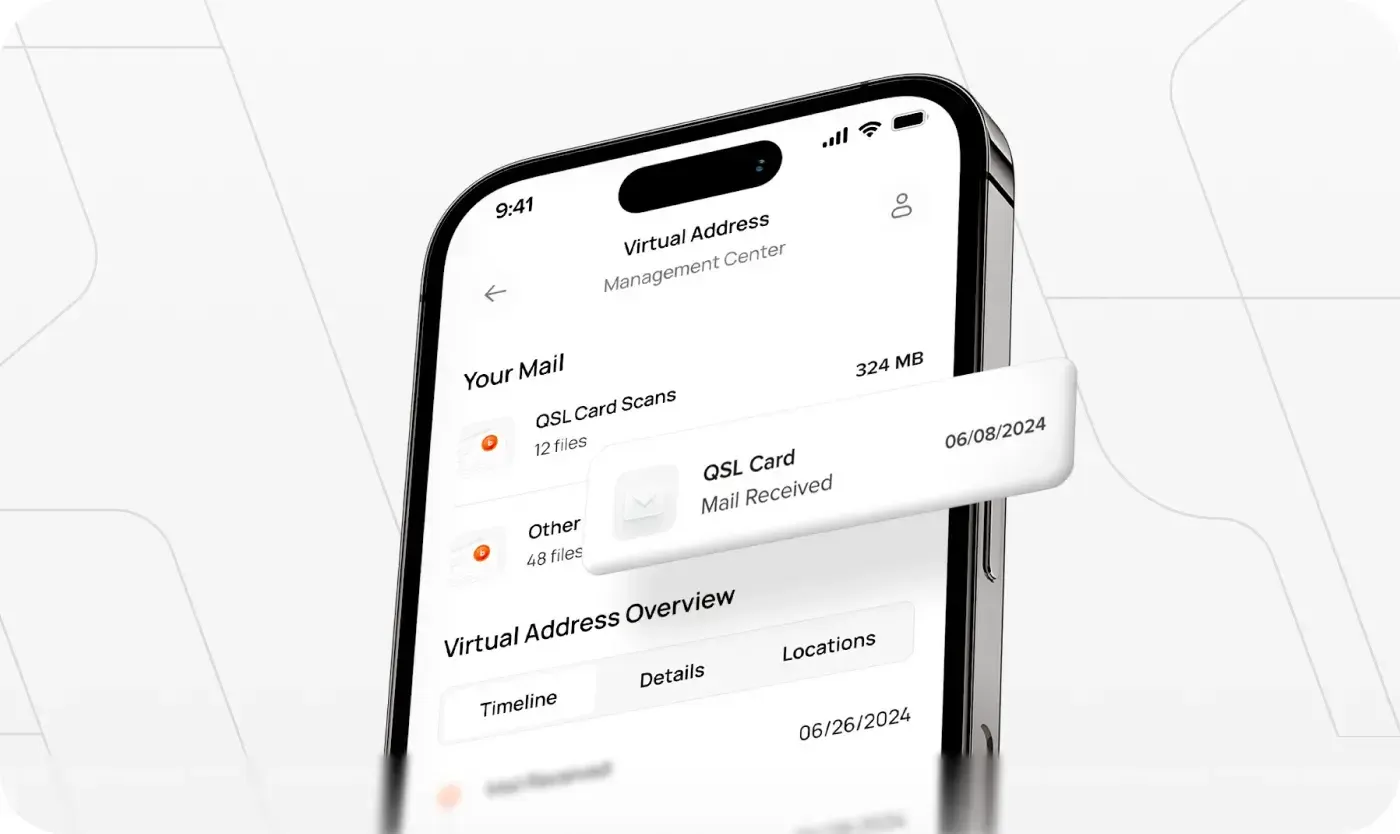
Yes! Virtual addresses provide a legal and private alternative for your Ham radio address while ensuring FCC compliance. A tidy solution to a messy problem. A virtual address gives you a real, physical mailing location that satisfies FCC requirements without exposing your private life. It works for solo operators, digital nomads, and even Ham radio clubs juggling multiple members and shifting leadership.
Think of it as the middle ground: private, professional, and practical.
So You’ve Got a License… Now Keep It Updated
Here’s a pro tip: addresses aren’t forever. Life changes. You move. You upgrade your setup. You decide that Florida humidity isn’t for you and relocate to the crisp air of Colorado.
When that happens, the FCC expects you to update your address immediately. Forgetting to do so isn’t just a minor slip-up; it’s a compliance risk.
Updating Your Address: The (Not-So-Hard) Steps
The good news? Updating your address with the FCC is refreshingly straightforward:
- Log into the Universal Licensing System (ULS) with your FCC Registration Number (FRN).
- Choose the license you need to update.
- Input your shiny new address.
- Certify, submit, and pat yourself on the back.
Repeat this anytime your address changes. If you use a virtual address, the need for updates drops dramatically—stability and compliance, sorted.
The Bottom Line? Privacy, Compliance, and Staying On-Air
Ham radio operators are storytellers. Innovators. Connectors of worlds and people. But to keep those call signs crackling, you need to play by the FCC’s rules—and that starts with your address.
A virtual address might not be the first thing you think of when you fire up your rig, but it just might be the thing that lets you operate with peace of mind. No lost mail. No public exposure. Just you, your radio, and the freedom to connect.

Get Bizee Podcast
Join us as we celebrate entrepreneurship and tackle the very real issues of failure, fear and the psychology of success. Each episode is an adventure.